How the Coupon Industry Works

How Coupon Sites Find Codes
Coupon sites rarely create discount codes. They collect offers from a mix of sources:
- Merchant websites and newsletters: Retailers publish codes on their own pages or send them to subscribers.
- Affiliate networks: Retailers and networks share offers with approved publishers.
- Public social channels: Brands sometimes post limited-time codes on social media.
- Shopper feedback: Users report whether a code worked or expired.
The quality of a coupon site depends on how often it checks those sources and how clearly it labels each offer.
Why Coupon Sites Use Affiliate Links
Most coupon sites earn money through affiliate commissions. When a shopper clicks through to a retailer and makes a purchase, the retailer pays the site a commission. This does not add to the shopper’s price.
The affiliate model can create conflicting incentives. A site may be tempted to keep expired codes online, hide the offer details or force extra redirects. A useful coupon site should make the offer easy to understand and easy to use.
How to Tell If a Coupon Page Is Useful
A good coupon page usually includes:
- A clear description of the offer.
- The discount amount or code.
- Any minimum purchase or exclusions.
- An expiration date or last-checked date.
- A direct link to the retailer.
Be cautious with pages that show dozens of codes without details, hide the code behind multiple pop-ups or list the same code several times under different headings.
How Codes Are Checked
Coupon sites use different methods to keep listings current:
- Manual review: Staff check merchant pages, newsletters and affiliate feeds.
- Automated feeds: Affiliate networks send updated offer data.
- Shopper feedback: Users report whether a code worked.
- Expiration tracking: Offers are removed or marked expired when the end date passes.
No method is perfect. A code can stop working before a site updates the page, so it helps to check the date and terms before trying a code.
What Makes a Coupon Site Trustworthy
Clear Disclosure
A trustworthy site explains how it makes money and whether links are affiliate links.
Real Offer Details
Listings should show the code, discount, expiration information and exclusions. Invented success rates or fake ratings undermine trust.
Current Pages
Pages should be updated when offers change. A “last updated” date is useful only if it is accurate.
Useful Alternatives
If no code is available, a good page should say so and suggest current deals or related stores instead of displaying expired codes.
How Codes.Discount Approaches It
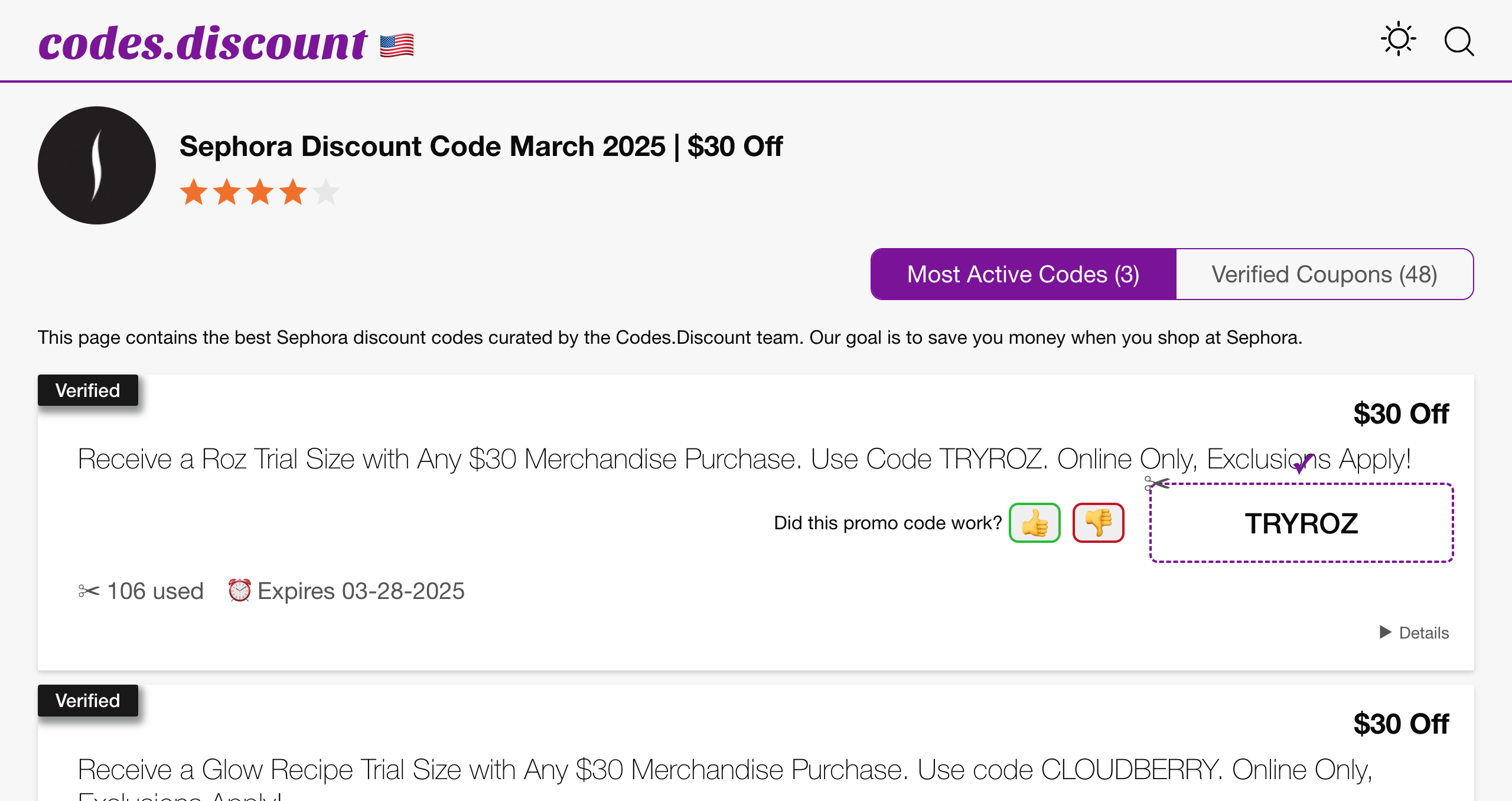
Codes.Discount is built around a simple idea: show the information we have and make it easy to copy a code or reach the deal.
- One-click copy: Copy a code without a redirect loop.
- Offer details: Listings show the discount, code and expiration information we hold.
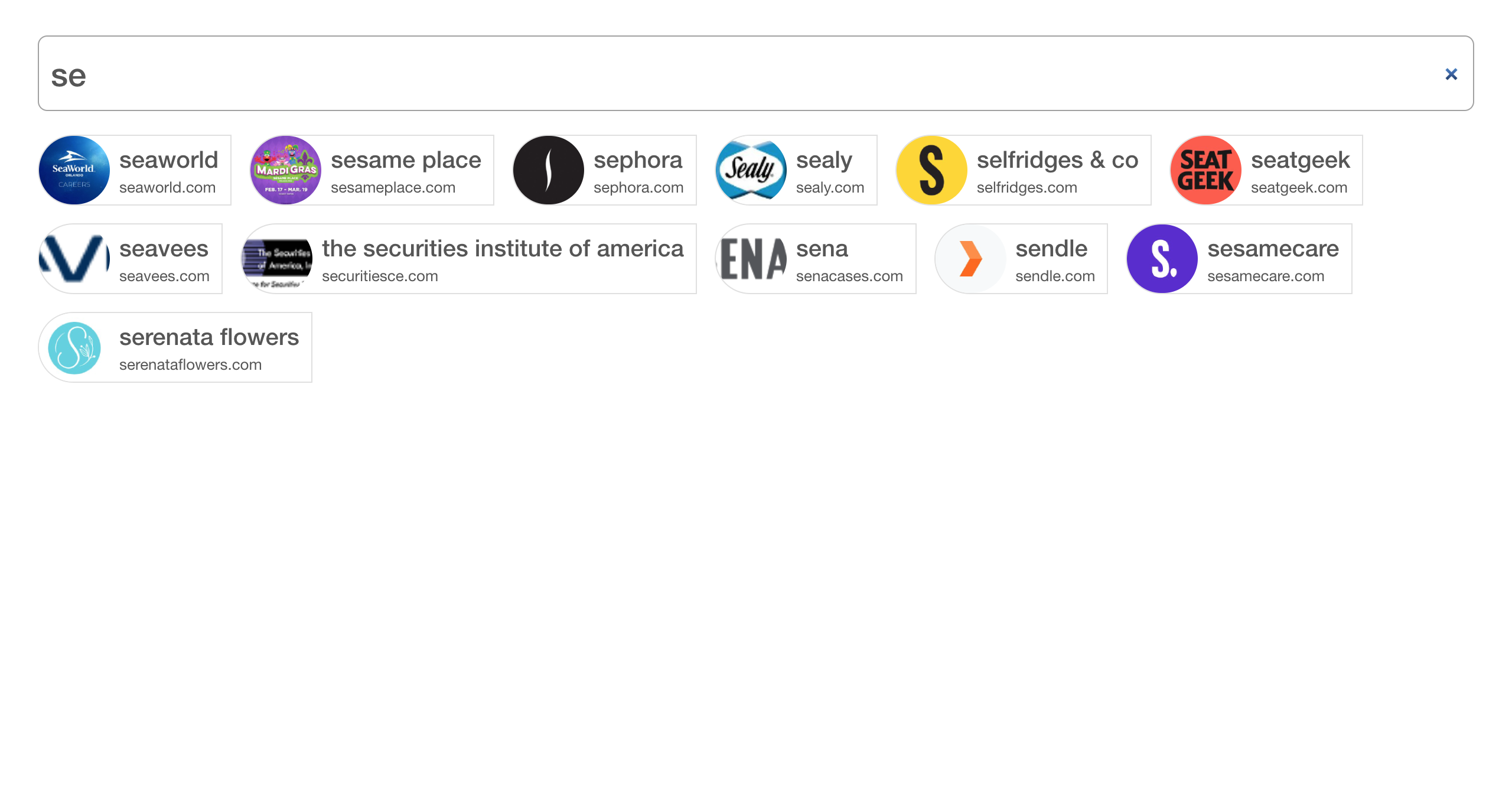
- Search: Find a store quickly and compare current offers.
- No account required: Browse and copy codes without signing up.
We do not invent usage counts, success rates or ratings. When we cannot find an active code for a store, the page says so and shows current deals or related stores instead.
How to Evaluate a Coupon Before Using It
- Check the terms: Look for minimum purchase, exclusions and expiration dates.
- Compare the final price: Include shipping and tax.
- Use the current code: Avoid codes from old social posts or unverified accounts.
- Check the retailer’s return policy: A discount is less useful if the item cannot be returned.
- Report broken codes: Feedback helps coupon sites remove expired offers.
The Future of Coupon Sites
Search engines increasingly reward useful, original content over pages filled with repetitive text. For coupon sites, that means the winners will be the ones that keep offers current, explain the terms clearly and make the shopping experience fast.
Coupon sites will not succeed by publishing more pages alone. They need accurate data, transparent affiliate relationships and a straightforward user experience.
Final Thoughts
Coupon sites are useful when they save shoppers time and help them understand an offer. They are less useful when they prioritize page views over current codes. Use the checklist above to judge any coupon page, including ours.
For current offers, browse Codes.Discount and check the terms before checkout.